
Subscribe to our newsletter
Enter your email address to subscribe to our newsletter
Enter your email address to subscribe to our newsletter

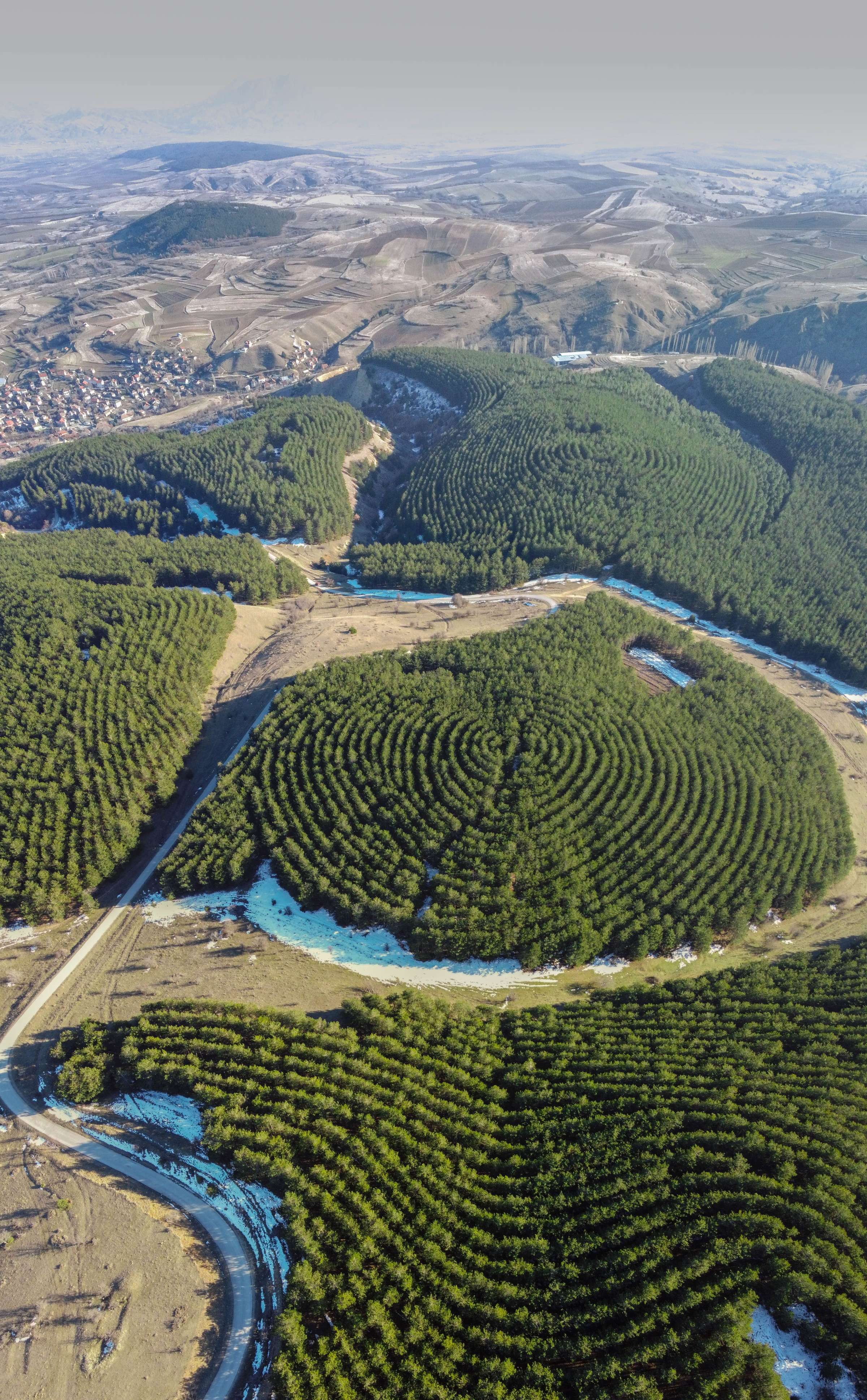
More than 124 million hectares of land worldwide are now under restoration, rehabilitation or improved management, showing that efforts to bring degraded landscapes back to life are gaining momentum.
A new global assessment from the International Union for Conservation of Nature has found that more than 124.3 million hectares of land worldwide are now under restoration, rehabilitation or improved management. That is an area approximately twice the size of France.
Land restoration can take many forms. It can involve restoring forests and grasslands, improving degraded farmland, rehabilitating drylands and rangelands, and helping damaged ecosystems regain their ability to support wildlife, water resources and local communities.
The largest reported restoration areas are in East Asia, South Asia and Sub Saharan Africa. East Asia reported 38.8 million hectares, South Asia 37.8 million hectares and Sub Saharan Africa 23.3 million hectares. Together, these regions account for around 80 percent of the globally documented area.
The progress is significant, but there is still a long way to go. Countries have collectively pledged to restore around 1.2 billion hectares, meaning the currently documented progress represents only about 10.4 percent of those commitments. IUCN also notes that its figure should be considered a lower bound estimate because restoration taking place in some countries may not yet be fully captured by international reporting systems.
Still, the findings provide an encouraging message. Restoration is already happening at an enormous scale. Forests, farmland, grasslands and other degraded landscapes around the world are receiving greater attention, and millions of hectares are being placed on a path toward healthier and more resilient ecosystems.
The challenge now is to accelerate that progress and turn more of the world's restoration commitments into measurable results for nature, climate, food security and communities.